

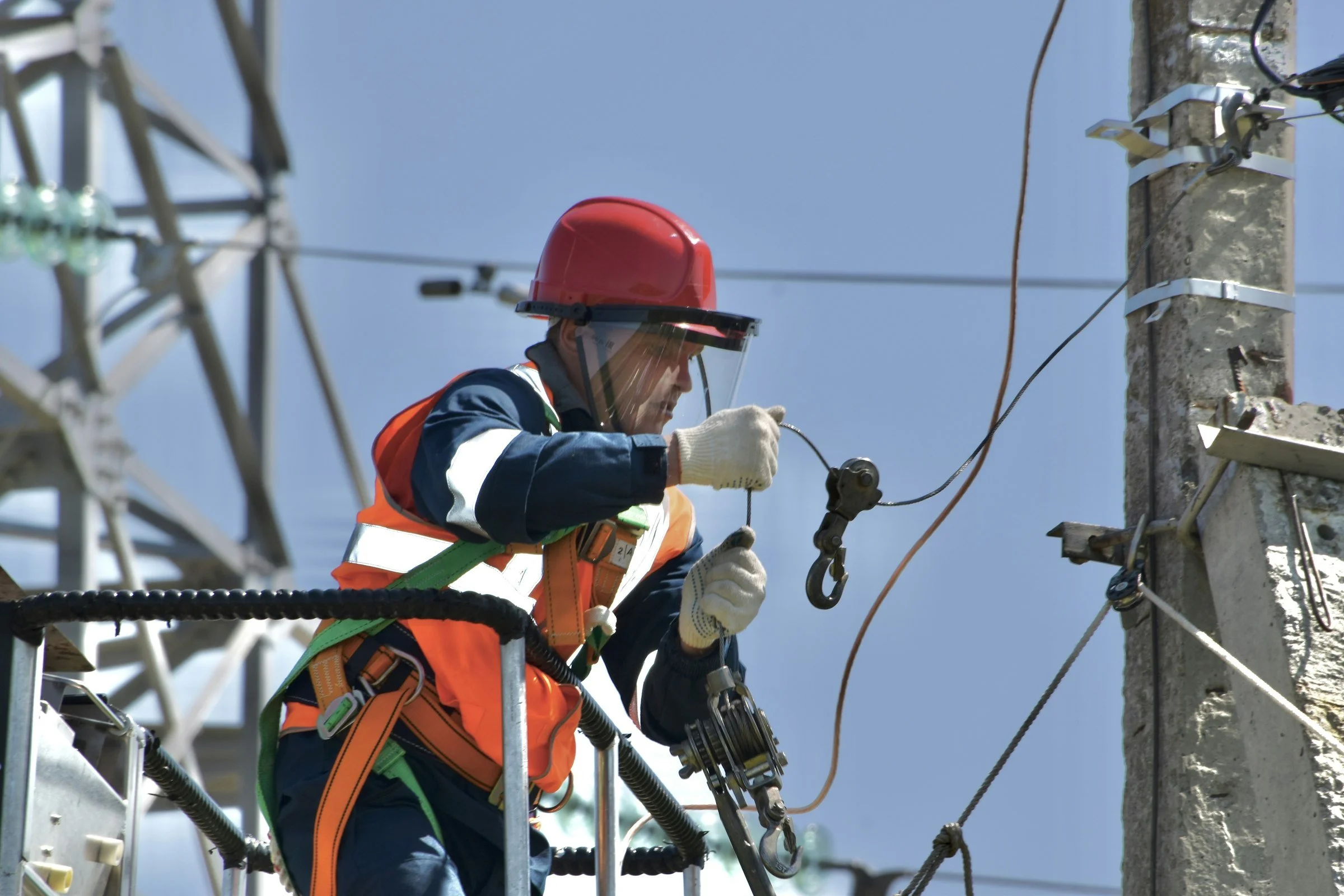
INFRASTRUCTURE & UTILITIES
Infrastructure Is Economic Development.
Power, water, natural gas, broadband and transportation increasingly determine where investment can occur.
In rural Alabama, communities often need utilities and state and federal partners to invest before businesses will come. Fideo helps make that happen.
THE RURAL CHALLENGE
Communities Can’t Recruit What They Can’t Serve.
Many rural communities have available land and willing leadership but lack the water and sewer capacity, power infrastructure, gas service, broadband or road access that prospective employers require.
Closing those gaps takes coordination among local governments, utilities and state and federal agencies—and a clear case for why the investment will pay off in jobs and growth.
HOW WE HELP
Building the Case and the Coalition
Infrastructure Strategy
Identify the infrastructure gaps standing between a community and the industries it wants to attract, and prioritize what to fix first.
Utility Partnerships
Bring power, gas, water and broadband providers into the conversation early and align their investment plans with local growth.
State & Federal Funding
Identify state and federal grant and loan opportunities and coordinate applications alongside engineers and professional advisers.
Advocacy & Coalitions
Organize communities, counties and stakeholders around shared infrastructure priorities and make the case to policymakers.
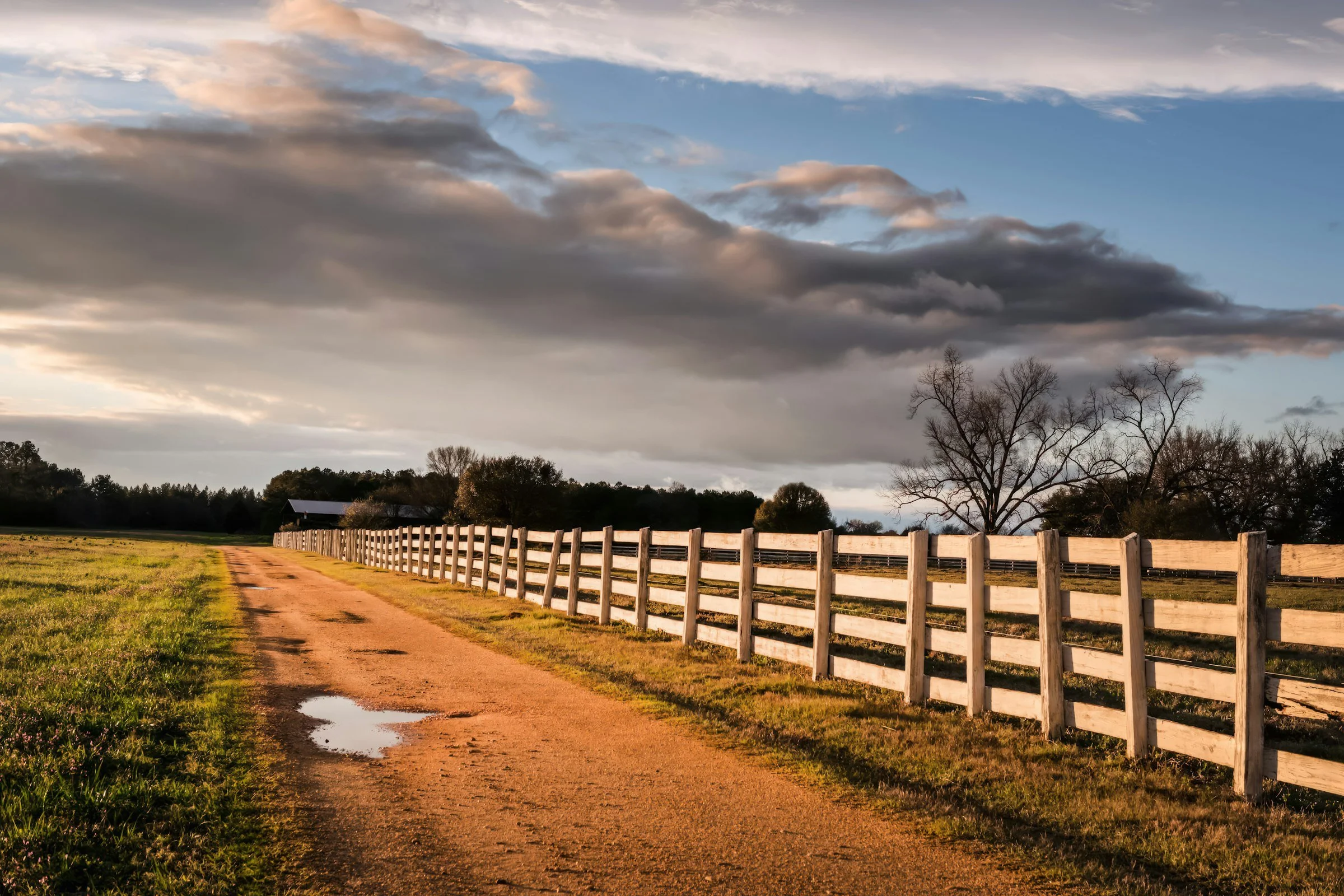
WHAT’S ALREADY MOVING
Alabama Is Investing in Rural Readiness.
Alabama’s SEEDS site-readiness program and required local match have invested $138 million across 77 sites, with 28 rural counties receiving support.
The state’s BEAD broadband program awarded nearly $460 million through 63 grants to reach about 92,000 unserved locations.
Communities that are organized, prepared and ready to partner are best positioned to compete for what comes next.
Sources: SEEDS, Feb. 2026 · BEAD, Mar. 2026
OUR APPROACH
From Need to Investment
01
Assess
Inventory existing capacity and the gaps that limit growth.
02
Prioritize
Match infrastructure needs to realistic economic development targets.
03
Fund
Identify and pursue utility, state and federal funding sources.
04
Build Support
Align local officials, utilities, agencies and the congressional delegation.
05
Execute
Stay engaged through applications, approvals and construction.
Ready to Invest in Your Community’s Future?
The first step is understanding what infrastructure your community needs, who can help pay for it and how to make the case.